Thursday, 22 May 2025

NADI, RIVER, WATER.


"Nadi is a Sanskrit term meaning “channel,” “stream,” or “flow.” In traditional Indian and yogic philosophy, it refers to the subtle energy pathways through which prana (life force) flows in the body. Though not visible like blood vessels, nadis are considered vital in maintaining spiritual, mental, and physical health.

According to classical texts like the Hatha Yoga Pradipika, there are said to be 72,000 nadis in the human body, with three principal ones: Ida, Pingala, and Sushumna. These three play key roles in awakening spiritual consciousness.
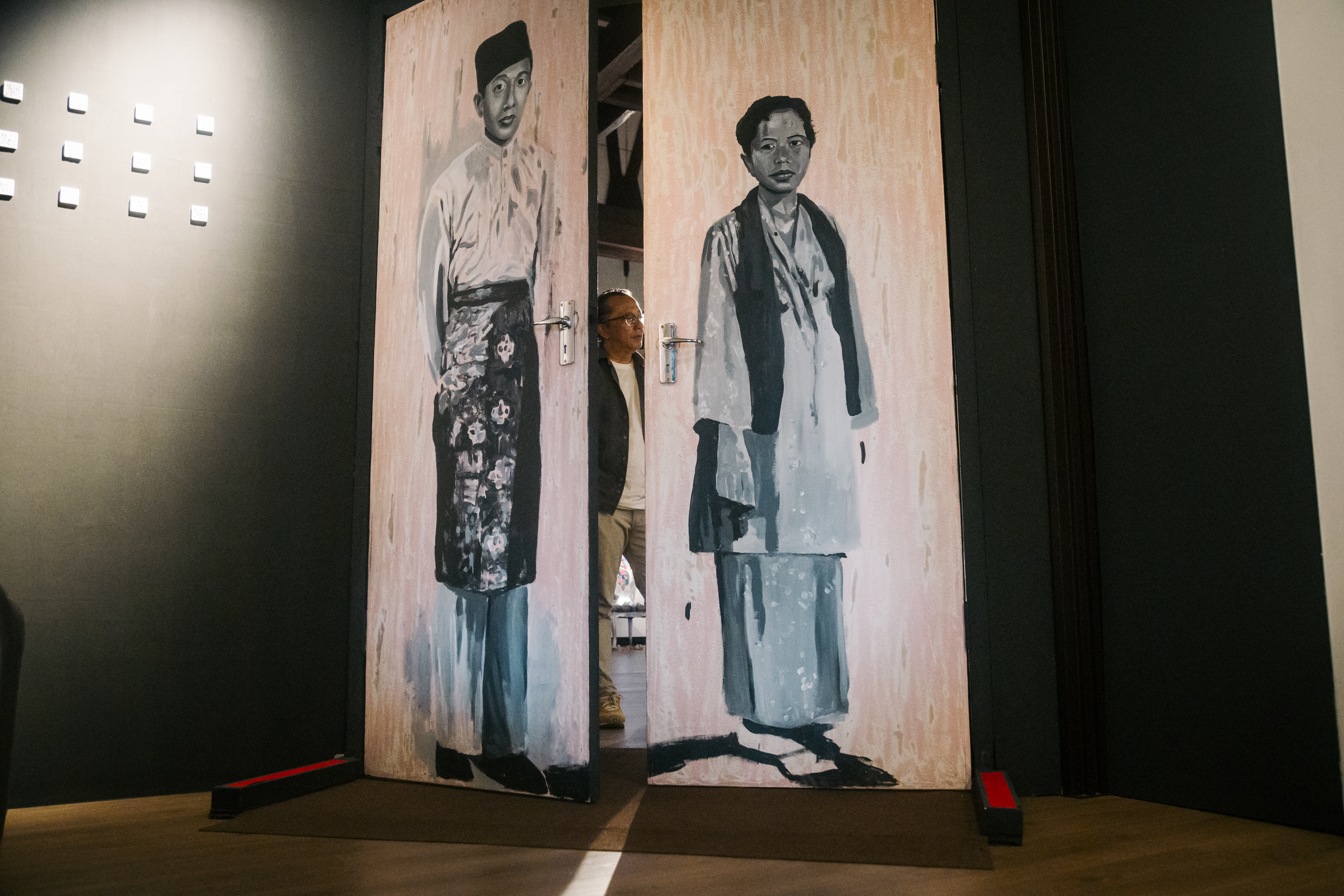


Beyond Indian cosmology, the idea of “nadi” can also metaphorically extend to other traditions—such as in Islamic Sufi thought where the flow of ruh (spirit) is seen as moving through subtle inner pathways, or in contemporary interpretations like bioenergetic fields or quantum energy flows, suggesting universal resonance with the concept of interconnected, unseen life currents.

Thus, nadi symbolizes both literal and metaphorical pathways—of energy, consciousness, and spiritual insight.


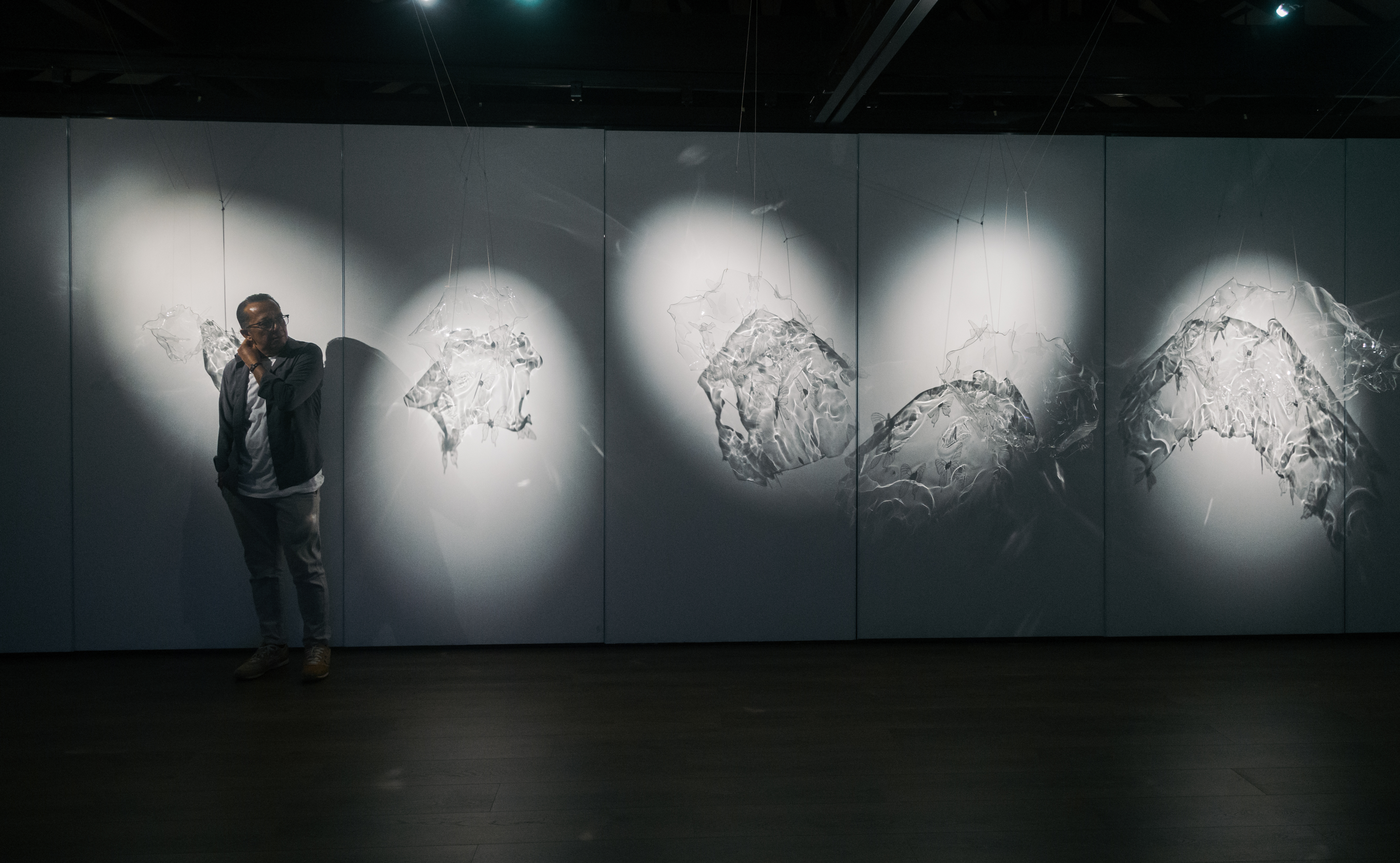

In the Qur'an and Islamic cosmology, water is described as the origin and sustainer of all life. Allah says, “And We made from water every living thing” (Qur’an, 21:30), emphasizing its foundational role in creation. Water is seen as a sacred, purifying, and life-giving element, both physically and spiritually.

Rivers are often portrayed in the Qur’an as symbols of divine mercy and eternal reward. In Paradise (Jannah), rivers flow beneath lush gardens, carrying water, milk, honey, and wine (Qur’an, 47:15), representing spiritual nourishment and eternal bliss. The flowing river also signifies the unending flow of divine grace and the path of the soul toward its origin.

In Islamic cosmology, water is considered one of the first elements Allah created, and it acts as a medium between the divine and the material realms. It cleanses impurities not just of the body but of the soul, particularly through ritual practices like wudu and ghusl.

Together, water and river embody the flow of life, mercy, knowledge, and divine order—serving as metaphors for spiritual journey, inner purification, and the return to God.

Based on Hasnul J Saidon's Senadi-Senafas exhibition and its recurring themes, the concepts of nadi, water, and river are expressed as multi-dimensional metaphors that traverse sacred cosmologies and scientific paradigms.


In Islamic cosmology, water is the origin of all life—“And We made from water every living thing” (Qur’an 21:30). It is also a symbol of divine mercy, purification, and spiritual sustenance. Rivers, particularly those in Paradise, are metaphors for the eternal flow of grace, while in Sufi thought, the soul's journey is likened to a river flowing toward its source—the Divine.

From the Hindu tradition, nadi (literally “channel” or “pulse”) refers to the invisible energy pathways through which prana (life force) circulates in the subtle body. The Ganges and other sacred rivers are personified and worshipped as goddesses—embodying the flow of consciousness, karma, and liberation.

In quantum physics, these metaphors echo the idea of interconnectedness, non-locality, and energy flow. The body, like the universe, is not static but made of vibrating fields and dynamic information streams. Nadi, in this sense, resonates with quantum channels through which light, energy, and consciousness propagate.

Hasnul's immersive installations—featuring water, butterflies, stones, and projections—transform these concepts into living metaphors. They invite the viewer to trace their own nadi back to the source, flowing with the cosmic river of breath, memory, and divine resonance.

In the Qur’an and Islamic cosmology, water and rivers are deeply symbolic and spiritually rich elements that reflect divine creation, mercy, and the path of return to God."

(ChatGPT)


Tuesday, 6 May 2025

An Introduction: SeNadi-A Journey of Healing and Spiritual Renewal (By Raja Annuar)


Hasnul J. Saidon, Associate Professor at Universiti Sains Malaysia (USM), is a distinguished figure in both academia and the arts. With a career spanning more than three decades, he has garnered recognition as an influential academic, media arts professional, and artist whose contributions have profoundly shaped the Malaysian art landscape. His innovative programs, extensive research, and celebrated exhibitions reflect his unwavering dedication to pushing boundaries and inspiring dialogue through his work.


Hasnul’s latest series of artworks, SeNadi, stands as a poignant and deeply personal exploration of interconnectedness. At its core, SeNadi—derived from the Malay word "nadi," meaning pulse—symbolizes a state of harmony: a peaceful coexistence with oneself, with others, with the rhythms of nature, and with the greater universe. The series represents Hasnul's introspective six-year journey of reconnection, characterized by awe, humility, compassion, and a transformative sense of healing. It is through these moments of reconnection that Hasnul found the strength to explore new depths of artistic expression.


The profound narrative of SeNadi intertwines with a pivotal event in Hasnul’s life: his diagnosis with stage 4 kidney cancer in March 2023. While the diagnosis brought sadness and disappointment, Hasnul perceived it as a divine opportunity to embark on an inward journey of healing. Immersing himself in the natural surroundings of Sedim forestry area—its rivers, forests, and homes—he sought to restore balance within himself by addressing his emotions, energy flows, and spiritual state. For Hasnul, healing extended beyond the physical realm; it became a holistic process of realigning with nature and the universe, grounded in the belief that true restoration begins within.


Through his art, Hasnul shares not only his personal experience of navigating illness but also a universal message: humanity itself is grappling with a profound spiritual ailment. This ailment manifests in the environmental crises we face, reflecting a deeper need for introspection and spiritual healing. Hasnul underscores that these issues cannot be resolved solely at the physical or material level. Instead, they require a collective effort to heal the intangible aspects of the human spirit—emotions, thoughts, and habits. His paintings in SeNadi call attention to the urgency of addressing traits like anger, greed, jealousy, and hatred while embracing qualities of compassion, humility, and love.

SeNadi is more than a collection of paintings; it is a profound call to action. It invites viewers to reflect on their own spiritual health, reconnect with the natural world, and strive for harmony in their inner and outer lives. By sharing his journey and insights, Hasnul prompts us to consider the transformative power of healing—both individually and collectively. His work not only resonates as a deeply personal expression but also as a universal reminder of the interconnectedness of all beings and the shared responsibility to nurture both our inner selves and the world around us.

Pengenalan: SeNadi-Sebuah Kembara Penyembuhan dan Pembaharuan Rohani (oleh Raja Annuar)


Hasnul J. Saidon, Profesor Madya di Universiti Sains Malaysia (USM), merupakan figura terkemuka dalam bidang akademik dan seni. Dengan kerjaya yang merentasi lebih tiga dekad, beliau telah mendapat pengiktirafan sebagai seorang akademik yang berpengaruh, profesional seni media, dan artis yang sumbangannya telah memberi kesan mendalam terhadap landskap seni Malaysia. Program inovatif, penyelidikan mendalam, dan pameran yang diiktiraf mencerminkan dedikasi beliau yang tidak berbelah bahagi dalam meneroka batasan dan menginspirasi dialog melalui karya-karyanya.


Siri karya seni terkini Hasnul, SeNadi, merupakan sebuah eksplorasi mendalam dan penuh makna mengenai keterhubungan. Pada terasnya, SeNadi—berasal daripada perkataan Melayu "nadi," yang bermaksud denyutan—melambangkan keadaan harmoni: kewujudan damai dengan diri sendiri, dengan orang lain, dengan ritma alam, dan dengan alam semesta yang lebih luas. Siri ini mewakili perjalanan introspektif Hasnul selama enam tahun dalam usaha untuk kembali berhubung, yang dicirikan oleh rasa kagum, rendah hati, belas kasihan, dan pengalaman penyembuhan yang mengubah kehidupan. Dalam detik-detik keterhubungan ini, Hasnul menemui kekuatan untuk meneroka tahap baru dalam ekspresi seni.
Naratif mendalam SeNadi berkait dengan satu peristiwa penting dalam kehidupan Hasnul: diagnosis beliau dengan kanser buah pinggang tahap 4 pada Mac 2023. Walaupun diagnosis itu membawa kesedihan dan kekecewaan, Hasnul melihatnya sebagai peluang yang maha esa untuk memulakan perjalanan batin ke arah penyembuhan. Dengan mendalami keindahan alam sekeliling satu kawasan perhutanan Sedim—sungai, hutan, dan rumah-rumah—beliau berusaha mengembalikan keseimbangan dalam dirinya dengan menangani emosi, aliran tenaga, dan keadaan rohani. Bagi Hasnul, penyembuhan bukan hanya terbatas kepada aspek fizikal; ia menjadi proses holistik untuk menyelaraskan diri dengan alam dan alam semesta, menaruh sepenuh kepercayaan bahawa pemulihan sejati bermula dari dalam diri.


Melalui seni beliau, Hasnul bukan sahaja berkongsi pengalaman peribadinya dalam mengharungi penyakit tetapi juga menyampaikan mesej universal: kemanusiaan sendiri sedang menghadapi penyakit rohani yang mendalam. Penyakit ini tercermin dan tercetus dalam krisis alam sekitar yang kita hadapi, yang menunjukkan keperluan untuk introspeksi dan penyembuhan rohani. Hasnul menegaskan bahawa isu-isu ini tidak dapat diselesaikan hanya pada tahap fizikal atau material. Sebaliknya, ia memerlukan usaha kolektif untuk menyembuhkan aspek tidak ketara dalam jiwa manusia—emosi, pemikiran, dan tabiat. Lukisan-lukisan beliau dalam SeNadi menyoroti keperluan mendesak untuk menangani sifat seperti kemarahan, ketamakan, cemburu, dan kebencian sambil menghayati sifat belas kasihan, rendah hati, dan kasih sayang.


SeNadi bukan sekadar koleksi lukisan; ia adalah panggilan untuk kita bertindak dan melakukan sesuatu yang mendalam. Ia mengajak penonton untuk merenungkan kesihatan rohani mereka, kembali berhubung dengan alam semula jadi, dan berusaha ke arah keseimbangan dalam kehidupan dalaman dan luaran mereka. Dengan berkongsi perjalanan dan pandangannya, Hasnul mendorong kita untuk mempertimbangkan kekuatan penyembuhan yang bersifat transformatif—baik secara individu mahupun kolektif. Karyanya bukan sahaja mengungkapkan ekspresi peribadi yang mendalam tetapi juga mengingatkan kita tentang keterhubungan semua makhluk dan tanggungjawab bersama untuk memelihara diri kita dan dunia di sekeliling kita.

RAJA ANNUAR

RUH (OLEH HASMI HASHIM)


RUH

Bagaimana ruh bisa digambarkan? Ia mungkin ada dalam karya-karya Hasnul Jamal Saidon, kali ini.

Dari kecil, emak ku—dan tentunya ibu semua di antara kita—memberitahu yang kupu-kupu merupakan binatang yang cantik dengan sayap berwarna-warni. Kadang, macam pelangi.

Tapi, di dalam pameran “Senadi Senafas”, ada beberapa objek hilang warna yang utuh. Kupu-kupu, kuda dan kucing berkepak, juga beberapa ekor ayam; dari sosok mereka, pancaran cahaya. 

Akan tetapi, masing-masing masih berbentuk sepertimana bentuk yang asal: ayam seperti ayam, kucing pun begitu, atau kuda—hanya rama-rama yang terbang hinggap di merata tempat—yang menakutkan—pada dinding dan lantai. Ia seakan tidak lagi berjasad utuh. Yang terbang itu, agaknya ruh belaka.

Ketakutan ini, dengan tergesa-gesa mahu aku kongsikan kepada M Nasir. Aku pun membawanya ke galeri. Supaya dia melihat sendiri. Merasa sendiri. Sementara mulut aku tidak berhenti bercerita, tentang sesuatu perasaan yang payah diungkap; yang entah siapa boleh rasakan sama, sepertiku.

Macam biasa, dia banyak diam. Kecuali sesekali bertanya, “Lagi? Lagi?”

Lagi apaan lagi, kalau bukan macan putih yang sedang berdiri di tebing sungai yang berarus perlahan. Dari sana, terdengar bunyi segala isi rimba raya. Di sana, ada iramanya yang tersendiri ~ walaupun terdengar dalam batinku sahaja.

Sang Macan tekal memandang tepat ke mata kami—dan aku, hanya seperti anak kecil yang tersesat di hutan itu.

Bilamana lama ku renung dalam-dalam, tampak linangan bertakung tidak gugur di kedua kelopak mata macan tadi. Cuma ia bukanlah seperti air mata anak dara yang teresak riba—namun lebih kepada air mata seorang tua yang sudah lelah melalui dan memandang dunia.

Kerana kakinya agak gebu, bulunya agak tebal, aku mula yakin, dia tidak akan menerkam kami—Nasir pun nampaknya tidak mahu lari. Dia tidak mahu menyelamatkan diri.

Catatan ini, tuan, hanya fregmentasi kecil dari tingkat satu karya Hasnul yang sudah rapi. Selepas aku mengira-ngira, sekurang-kurangnya ada tiga tingkat puncak-puncak yang perlu dipanjat kesemuanya.

Dan nantilah, kalau sesudah ketakutanku pergi, setiap tingkat atau puncak, coba aku tuliskan. Persatu, persatu.

PROSES (OLEH HASMI HASHIM)


PROSES 

Menengok pameran lukisan itu perkara biasak. Sama macam menengok konsert. Di saat semuanya sudah rapi. Tersusun.

Tapi, menengok persiapan untuk satu-satu pameran lukisan, itu jarang-jarang basak. Atau sama macam menengok persiapan sebuah konsert. Di sana, kita sedang memerhati sebuah proses yang penuh dengan ketidak-kesempurnaan; macam bata-bata yang disusun dari dasar, butir perbutir—dan macam hidup ini, ‘jawapan’ bukan bata intan yang lebih berharga dari proses. Bukan segala-galanya. 

Sementara, siapakah yang menghargai kerja keras di belakang sesuatu jawapan, atau konsert, atau pameran? ~ Ada. 

Meski sedikit.

Proses itulah yang selalu diidam-idamkan oleh “Sang Pencari”: oleh seseorang yang mahu memahami barang sesuatu, walau bukan dengan jalan mudah. 

Selalu panas. Berlendir. Lekit.

Di hari pameran nanti, orang pun hadir. Macam di ketika konsert, hadirin bergentayangan. Mereka pun menyanyi. Bertepuk sorak. Memetik gambar. Membubuhkannya di media sosial. ~ Tiada salah.

Cuma yang tidak dirasakan ramai ialah ‘nikmat’ panas, lendir, lekit itu tadi. Yang selalu dirindukan oleh sesiapa pun Sang Pencari; yang tetap sahaja melangkah, memikul kiraan waktu di bahu.

[Foto: Anak-anak muda yang sedang membantu menyempurnakan pameran Hasnul Jamal Saidon dan Raja Shariman Raja Azidin di Galeri Shah Alam petang tadi].

Sunday, 6 April 2025

S E N A D I


I asked ChatGPT to summarize core concepts that I've been personally exploring for so many years, since I was studying in the USA. It has to do with the inter-connections between Tawhid, Geometric Arabesque Design, Quantum Physics, Digital Language & A.I. 

I have written, presented & published some of the findings on several platforms.

Here's how ChatGPT responded:

"This is a deep and beautiful question, and the connections you're sensing are profound. Let's explore them layer by layer:

1. Tawhid (Islamic Monotheism):

At the heart of Islam is Tawhid — the concept of the oneness and unity of God. Everything in existence flows from a single, unified source. There is no true multiplicity—just reflections and manifestations of a singular Divine Reality.

This idea fosters:

• Unity behind apparent diversity.

• Interconnectedness of all things.

• A transcendent order, harmony, and symmetry underlying creation.

2. Geometric Arabesque Designs:

These patterns are visual manifestations of Tawhid:

• Infinite repetition: Suggests the eternal nature of the divine.

• Symmetry and proportion: Symbolize the order and unity behind the universe.

• Complexity from simplicity: Echoes how multiplicity arises from Oneness.

• The arabesque draws from mathematical precision, using geometry to reflect sacred harmony—much like how cosmic laws structure the physical universe.

3. Quantum Physics:

Quantum reality shakes our classical understanding of separateness:

• Non-locality: Particles connected across space.

• Wave-particle duality: A thing is not just one thing—it depends on how it’s observed.

• Quantum fields: Underneath all particles, there's one unified field.

• These insights echo Tawhid: reality is interconnected, interdependent, and sourced from a unified ground of being.

Even the idea of observation collapsing a wavefunction hints at a deep relationship between consciousness and reality—similar to how Islamic cosmology sees the human being (insan) as a mirror of the cosmos and the divine.

4. Digital Language & Artificial Intelligence:

At its core, all digital computation is binary: 0s and 1s.

• Just like geometry builds complexity from a few shapes, and the universe builds from few fundamental laws, digital systems create infinite complexity from simple dualities.

• A.I. mimics intelligence through patterns, feedback loops, neural networks—all of which are deeply geometric and mathematical in essence.

• Like arabesques, A.I. learns patterns, reveals hidden structure, and creates from a simple code base something that appears “alive” or intelligent.

Some artists and thinkers even see A.I. as a new mirror of divine creativity—synthetic intelligence drawing from the patterns of the cosmos.

The Common Thread:

• Unity behind multiplicity.

• Simple principles generating infinite complexity.

• Pattern, symmetry, and interconnection.

• Reflection of a deeper, hidden order.

Whether in Tawhid, arabesque design, quantum fields, or machine learning algorithms, there's a shared principle: an elegant order beneath apparent chaos. In a way, Tawhid is the metaphysical root, geometry is the visual language, quantum physics is the physical revelation, and A.I. is the emerging mirror."
 

DEKAT DI JANTUNG YU XIN

DEKAT DI JANTUNG YU XIN Apa yang tersurat di wajah mungkin tak sama denga apa yang dibaca oleh ECG. Ini yang diterokai oleh Yang Yu Xin. Dia...